One of the biggest misconceptions about event photography is that the work only begins when the camera comes out.
In reality, professional event photography should start well before the event itself, and not treated as an after thought.
The reality is that photography is one of the very few parts of an event that continues working long after the room has emptied and the coffee cups have been cleared away.
As someone who photographs corporate events, hospitality launches, awards evenings and brand events across Yorkshire, I’ve always felt good event photography is less about documenting what happened and more about capturing what it felt like to be there.
And there’s a difference.
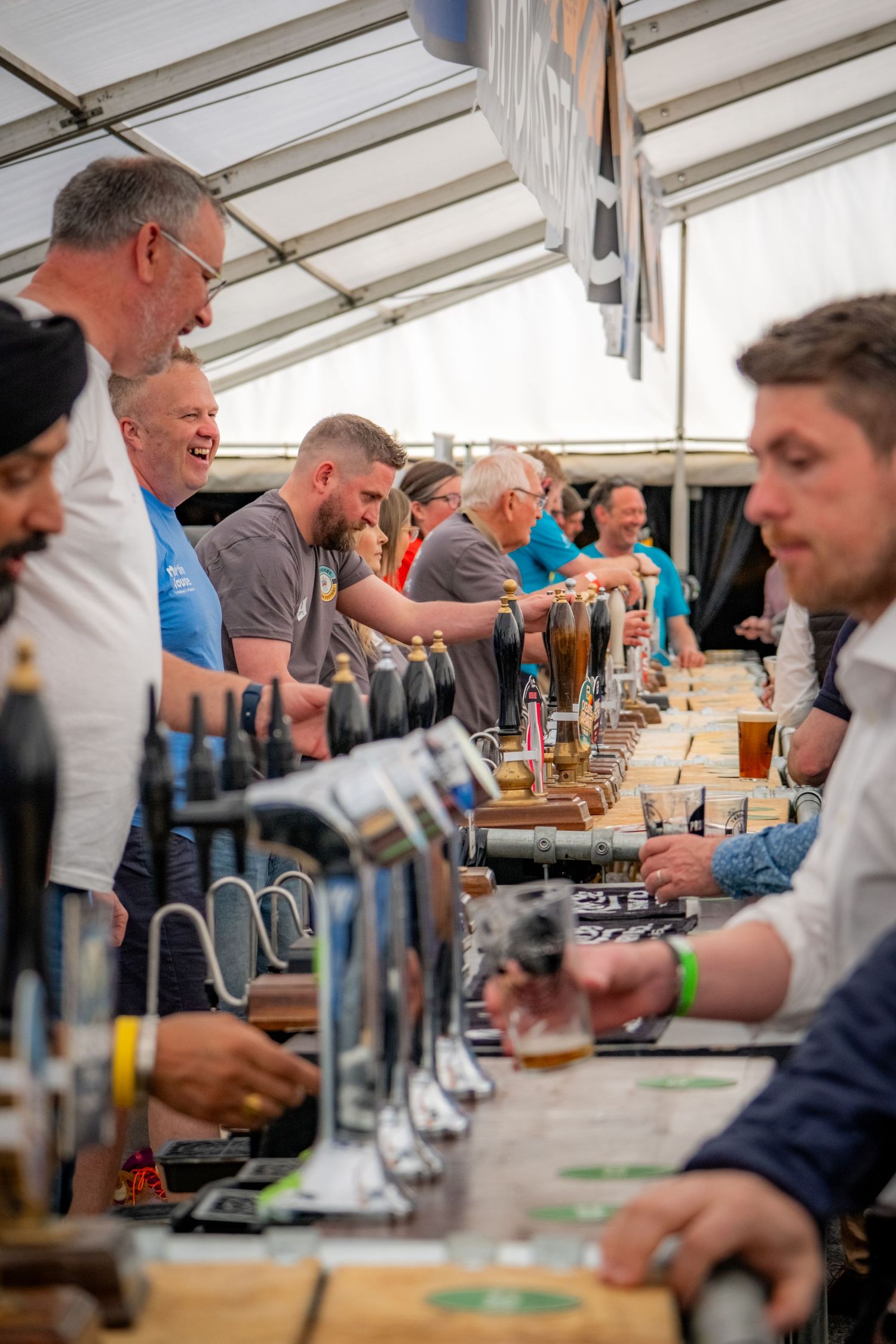
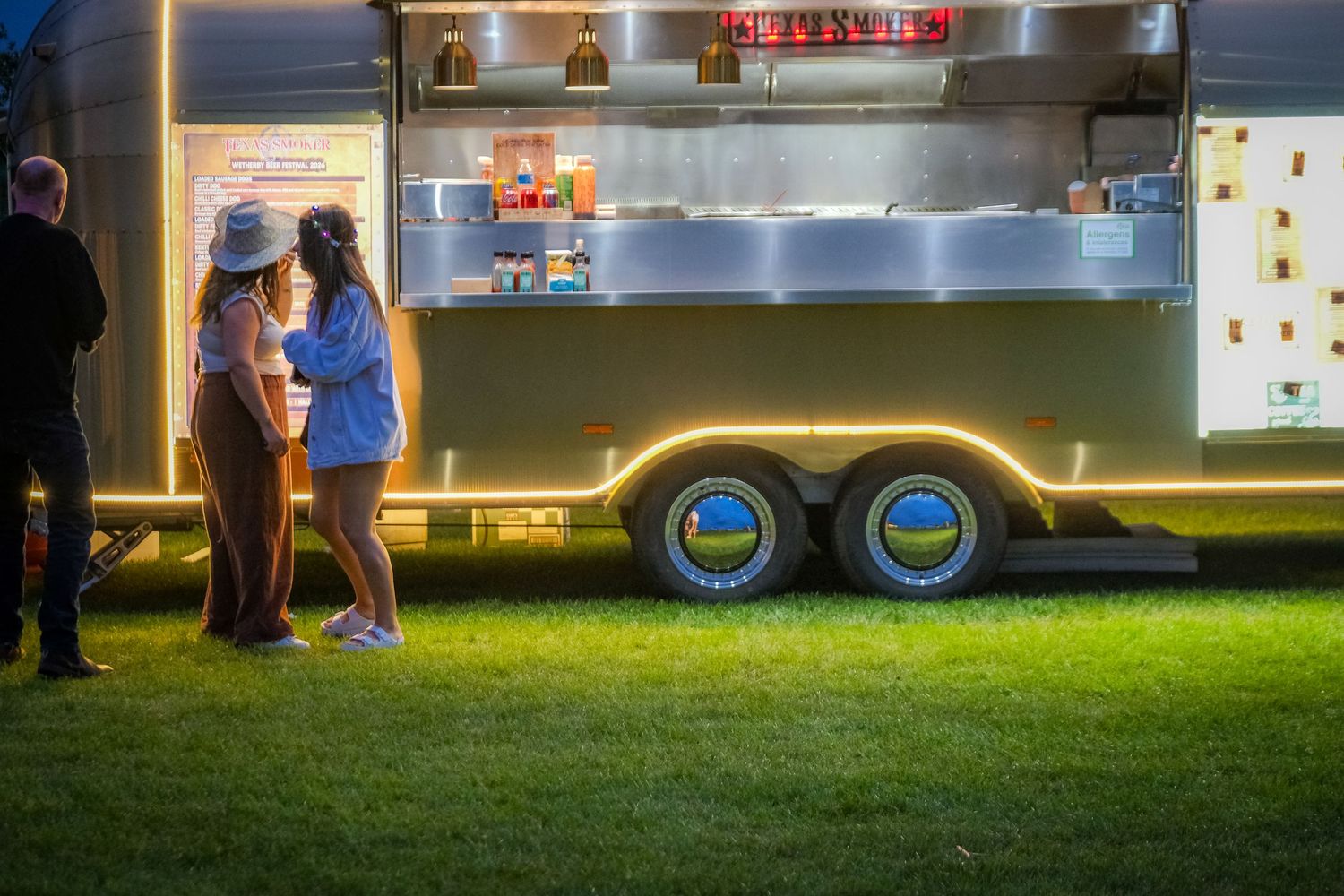
The best event photography often happens between the planned moments; the speakers on stage, the awards presentations, the handshakes, the branded backdrops and of course the carefully timed ribbon-cutting moment.
Of course those images are important. But in my experience, the photographs clients tend to use the most are often the quieter, more natural moments happening in between.
The conversations before a talk starts, guests laughing at a table, someone reacting naturally during a speech, the atmosphere in the room just as everything starts to come together.
Those moments tend to feel genuine because they are genuine. Nobody wants 400 photos of people holding a wine glasses. Well… unless they are wine glass manufacturers.
One of the biggest challenges with event photography is avoiding repetition. Corporate events in particular can quickly descend into:
- people standing in circles
- people looking at name badges
- people pretending not to notice the camera
- people holding drinks while trying to eat miniature Yorkshire puddings gracefully
I think the job of the photographer is to find variety, atmosphere and energy within that environment. Good event photography should feel like the event had personality.
Perhaps most of all event photography is really about trust.
The longer I do this, the more I realise event organisers are not simply hiring somebody to take photographs. They’re trusting someone to represent their event professionally.
This involves:
- reading the room properly
- knowing when to step forward
- knowing when to disappear
- working around guests naturally
- adapting quickly when timings inevitably drift by 45 minutes / Because they always drift by 45 minutes.
One thing event organisers should know: venues almost never look to a camera the way they look to the human eye. That beautifully atmospheric room lit entirely by candles and purple uplighting? It may look wonderful in person. But camera sensors may view it as the surface of Mars.
Part of professional event photography is understanding how to work with difficult lighting quickly and unobtrusively without turning the event into a film set. Most guests do not want flashguns exploding in their face while they’re trying to enjoy dessert.
Speed Matters More Than Ever
Events now live and die by visibility. People expect content quickly:
- LinkedIn updates
- Instagram posts
- press coverage
- sponsor mentions
- post-event marketing
In many cases, the photographs are being used while the event is still happening.
That doesn’t mean rushing carelessly, but it does mean event photography now has to work far beyond simply delivering a gallery a week later.
Personally, I’ve always preferred a more observational style of event photography. I’m not particularly interested in over-directing people or making events feel staged. Most people become uncomfortable the second a camera starts controlling the room too much.
I’d rather capture people as they naturally interact with each other and the environment around them. That usually creates images that feel more relaxed, more authentic and ultimately more useful for businesses and brands.
Final Thoughts
A lot of work goes into organising an event that may only last a few hours. Good photography helps extend the value of that effort long after the final guest has left.
For event organisers, planners and businesses, the right photography should not simply record the event — it should help communicate the atmosphere, professionalism and personality behind it.
And ideally avoid too many photographs of people awkwardly balancing canapés and prosecco at the same time.
You can view some of my recent event coverage here: https://www.simonrobertson.photography/event-photography/